2026-10-01
Driveway Resurfacing vs. Replacement: Complete Cost & Lifespan Guide
Compare asphalt overlays and concrete resurfacing against full tear-out replacement to determine the best return on investment for your driveway.
Read Guide → Advertisement
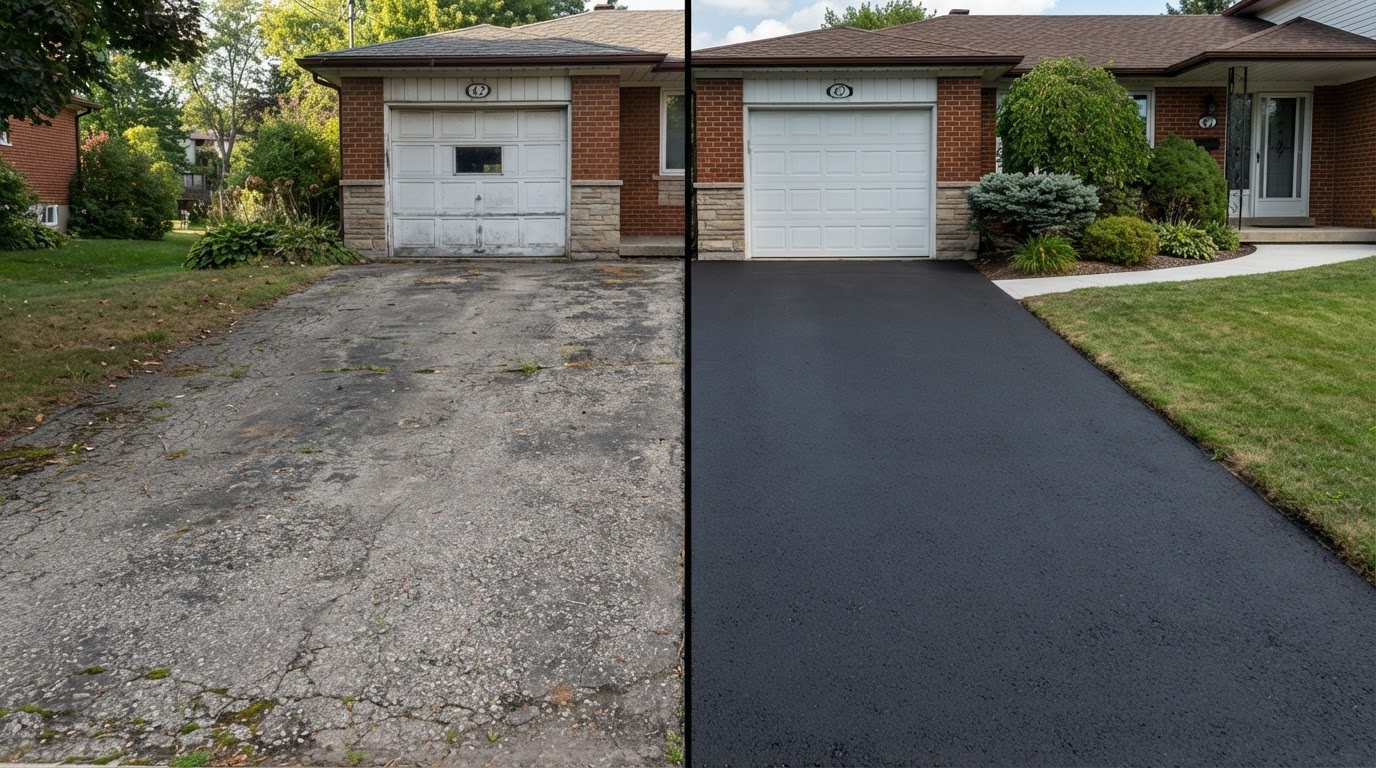
The visual and structural difference between a faded, oxidized driveway and a properly compacted hot-mix overlay.
UV oxidation turns the asphalt binder at the surface grey and brittle. A 1.5-to-2-inch hot-mix overlay buries that oxidized layer under fresh, flexible asphalt binder and aggregate, restoring both the deep-black appearance and surface flexibility. The transformation from a faded, grey, rough driveway to a smooth, jet-black surface is dramatic, but the value of an overlay goes far beyond appearance. Understanding what an overlay actually restores—structurally and chemically—helps homeowners appreciate why it is a worthwhile investment and why it must be done correctly to deliver its full benefit.
Asphalt is a mixture of aggregate (sand, gravel, and crushed stone) bound together by a petroleum-based binder, called bitumen. When asphalt is fresh, the binder is black, flexible, and tacky, holding the aggregate tightly and shedding water. Over years of exposure to sunlight, oxygen, and temperature cycling, the binder at the surface oxidizes: the light oils evaporate, the molecules cross-link and harden, and the color shifts from black to grey. The surface becomes brittle, loses its ability to flex, and begins to ravel—individual aggregate particles break loose, leaving a rough, pitted texture. This oxidized layer is the visible sign of an aging driveway.
An overlay does not remove the oxidized layer; it buries it. A 1.5-to-2-inch layer of fresh hot-mix asphalt, placed over a milled and tack-coated surface, covers the brittle, grey, raveled top with a new mat of flexible, black binder and clean aggregate. The deep-black color returns immediately, and the smooth, uniform texture replaces the rough, pitted surface. This visual transformation is what most homeowners notice first, but the structural restoration is equally important: the new layer provides a fresh, flexible wearing surface that can absorb traffic loads and thermal movement without the brittleness that caused the original surface to ravel.
Because the overlay bonds to a milled, tack-coated surface, it moves as one monolithic mat with the existing pavement, resisting the reflective cracking that simple sealcoating cannot address. Milling removes the top 1/2 to 1 inch of the existing surface, eliminating the worst of the oxidized and raveled material and creating a rough texture that the tack coat—a thin layer of liquid asphalt binder—bonds to. The fresh hot-mix is then placed on this prepared surface, and the two layers adhere into a single, unified pavement structure. This bond is what allows the overlay to move with the underlying pavement as a single mat, rather than sliding or delaminating.
Reflective cracking is the phenomenon that limits the life of an overlay. Cracks in the existing pavement, particularly structural cracks caused by base movement, can telegraph up through the new overlay over time as the underlying pavement continues to move. This is why an overlay is only appropriate when the existing pavement is structurally sound—if the base is failing, the cracks will reflect through the new surface within a season or two. A reputable contractor evaluates the crack pattern before recommending an overlay and addresses any structural issues—base failure, drainage problems, or widespread alligator cracking—before placing the new surface. Placing an overlay over a failing base is a waste of money.
The compaction of the overlay is critical to its performance. Hot-mix asphalt must be compacted to the correct density while it is still hot—typically above 200°F—using a vibratory roller followed by a static roller to remove roller marks. Properly compacted asphalt is dense, watertight, and strong; under-compacted asphalt is porous, weak, and prone to raveling and rutting. The thickness after compaction is what matters, not the loose thickness before rolling—a 2-inch compacted overlay may require placing 2.5 inches of loose material. A contractor who does not use proper rollers or who does not monitor temperature and compaction is delivering a surface that will not perform.
The immediate visual impact of an overlay is striking. A faded, grey, rough driveway that detracts from a home's curb appeal is transformed into a smooth, deep-black surface that looks brand new. Real estate agents consistently note that a freshly paved driveway is one of the highest-impact, lowest-cost curb-appeal improvements for a home being prepared for sale. The contrast in before-and-after photos is often dramatic, and the perceived value to a buyer is significant. For a homeowner planning to sell, an overlay can deliver an excellent return on investment in addition to its functional benefits.
Maintenance after an overlay extends its life. The new surface should be allowed to cure for 90 to 120 days before the first sealcoat is applied, allowing the light oils to evaporate and the surface to harden. After that initial cure, a regular sealcoating cycle—every two to three years—protects the new surface from the same UV oxidation that aged the original driveway. Cracks that develop should be sealed promptly with hot-pour rubberized sealant, and drainage should be maintained to keep water away from the base. With proper installation and ongoing maintenance, an asphalt overlay can deliver 10 to 15 years of service, restoring both the appearance and the performance of a driveway at a fraction of the cost of full replacement.
Looking for a qualified contractor? Browse our directory of driveway resurfacing professionals specializing in asphalt resurfacing & overlays. Compare services, request quotes, and find the right specialist for your project.
AdvertisementCompare asphalt overlays and concrete resurfacing against full tear-out replacement to determine the best return on investment for your driveway.
Read Guide →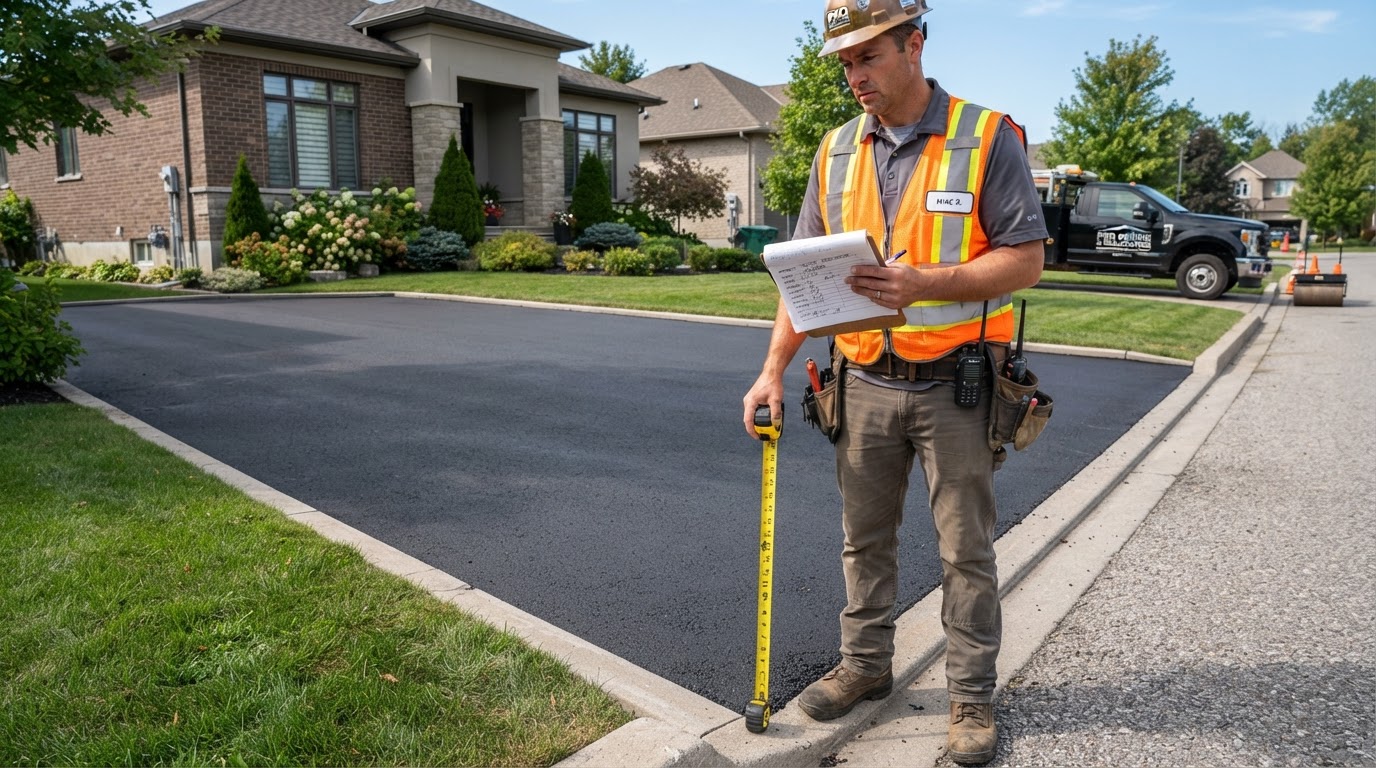
Verify insurance, equipment specs, asphalt mix temperature, and warranty coverage when selecting a local paving specialist.
Read Guide →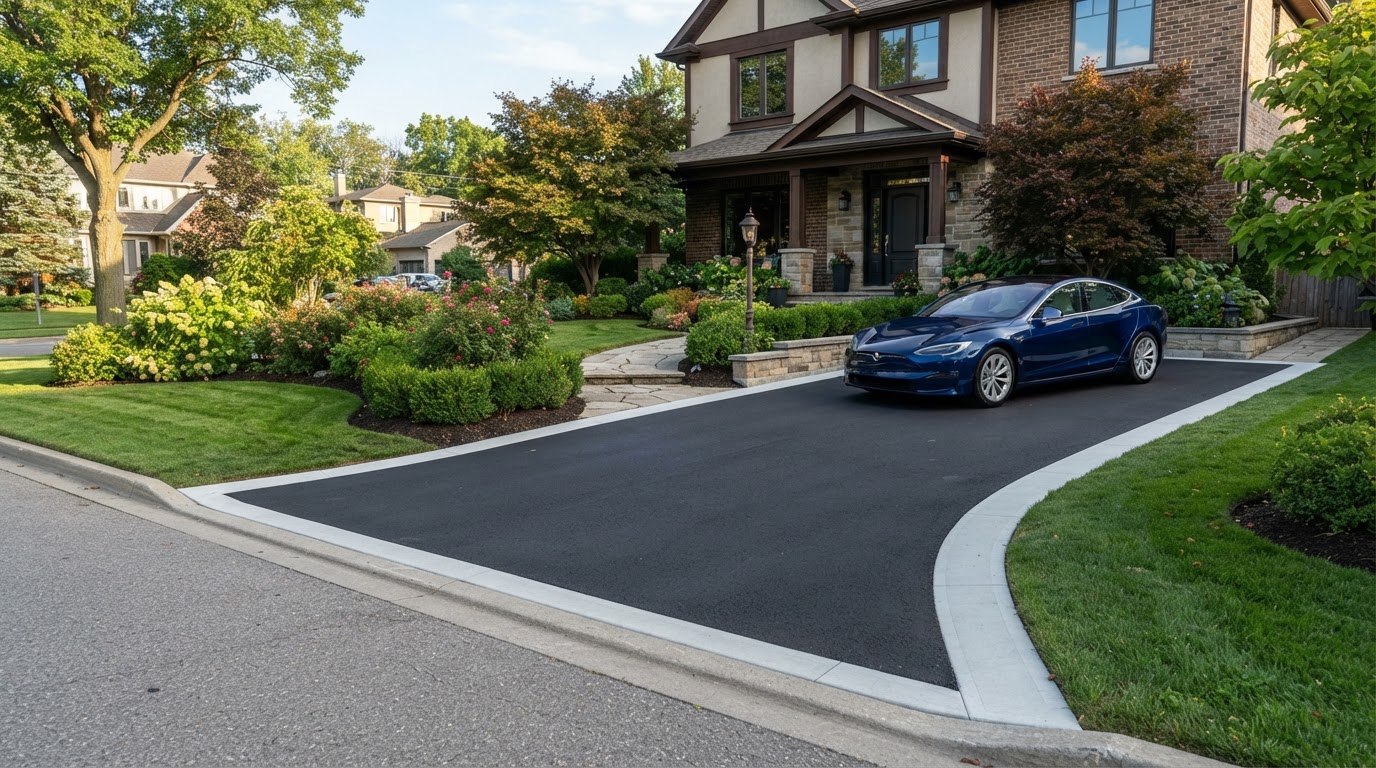
Why real estate investors and homeowners see measurable returns from resurfacing before listing a property.
Read Guide →Commercial & residential asphalt resurfacing, hot-mix overlays, and milling.
Browse Asphalt Resurfacing & Overlays