2026-10-01
Driveway Resurfacing vs. Replacement: Complete Cost & Lifespan Guide
Compare asphalt overlays and concrete resurfacing against full tear-out replacement to determine the best return on investment for your driveway.
Read Guide → Advertisement
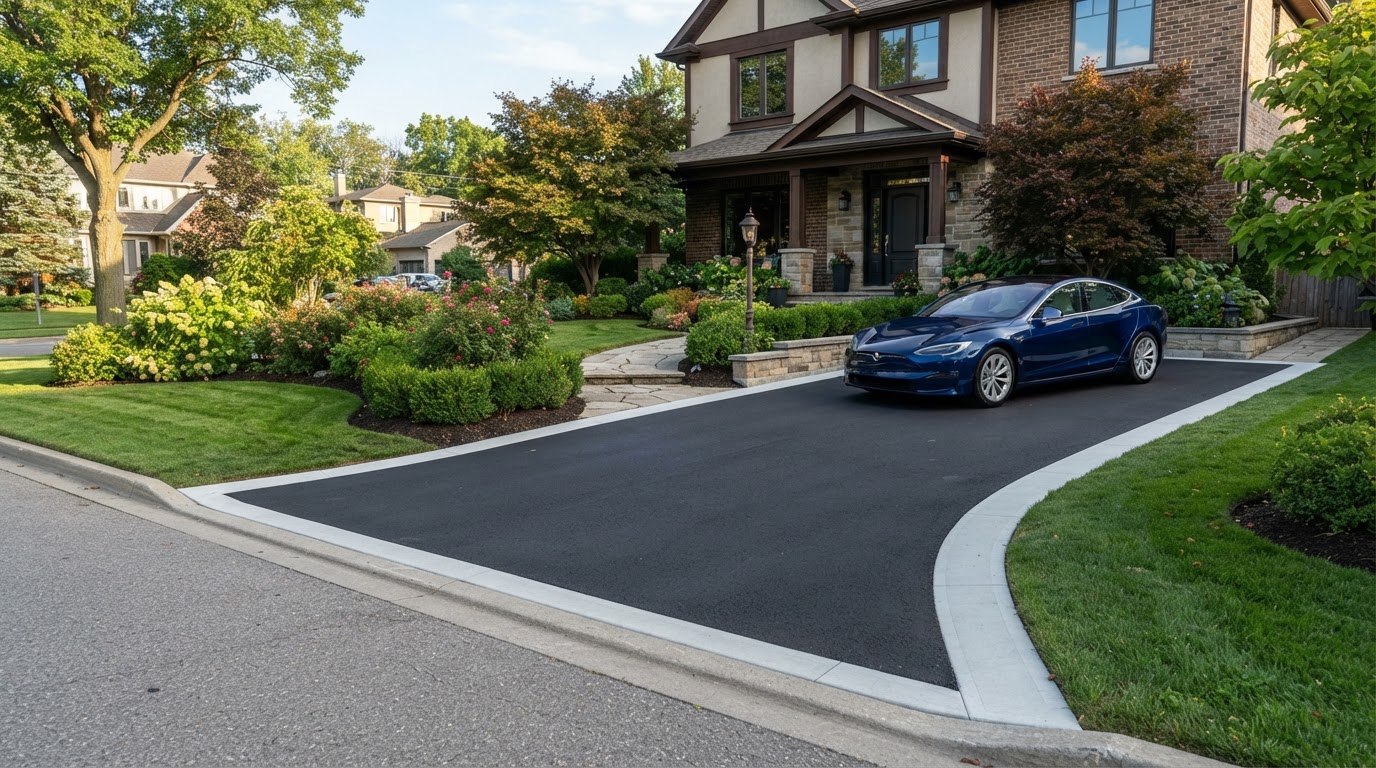
Why real estate investors and homeowners see measurable returns from resurfacing before listing a property.
A cracked, stained driveway is one of the first things buyers notice. Restoring it with a fresh overlay or decorative resurfacing removes a visible defect that would otherwise invite low offers. Curb appeal—the first impression a property makes from the street—is a powerful factor in real estate, and the driveway is one of the largest and most visible elements of that first impression. A driveway that is cracked, faded, oil-stained, or uneven signals neglect to a buyer before they ever step inside, and that signal can translate directly into a lower offer or a longer time on the market.
Real estate agents report that a clean, well-maintained driveway consistently ranks among the highest-ROI exterior improvements, often returning more than its cost at sale in competitive markets. The reason is psychological as much as practical: a buyer who sees a pristine driveway assumes the rest of the property has been equally well maintained, while a buyer who sees a deteriorating driveway worries about what else has been neglected. This halo effect means the value of a driveway restoration extends beyond the driveway itself—it shapes the buyer's perception of the entire home.
The return on investment depends on the market and the condition of the driveway. In a hot market where homes sell quickly, a restored driveway may not add a specific dollar amount, but it can attract more buyers, generate faster offers, and prevent the property from being passed over in favor of better-presented competitors. In a slower market, where buyers have more choices and more negotiating leverage, a deteriorated driveway becomes a concrete objection that buyers use to justify a lower offer—often for far more than the actual cost of the repair. In both cases, restoring the driveway before listing removes a liability and can only help.
The choice of restoration affects the value. A fresh asphalt overlay is the most cost-effective option for a driveway that is structurally sound but cosmetically tired. It restores the deep-black, smooth appearance of a new driveway at a fraction of the replacement cost, and the visual impact is immediate and dramatic. For a concrete driveway, a polymer-modified overlay with a stamped or stained finish can transform a plain, cracked slab into a decorative surface that adds architectural character. The key is matching the restoration to the home's style and price point—a high-end decorative finish on a modest home may not return its cost, while a clean, simple overlay on the same home likely will.
Timing the restoration before listing is important. The work should be completed well before the first showing—ideally a few weeks—so the surface has cured, the sealant has settled, and the area is clean and free of construction debris. A fresh overlay needs 90 to 120 days to cure before sealcoating, so a homeowner planning to list in the fall should schedule the overlay in the summer. A concrete resurfacing needs a few days to cure before it can be sealed and used. Planning ahead ensures the driveway looks its best when the photos are taken and the first buyers arrive.
The cost of restoration should be weighed against the likely return. A basic asphalt overlay on a standard two-car driveway might cost a few thousand dollars, while a full decorative concrete resurfacing can cost more. In most markets, a clean, crack-free, freshly sealed driveway returns at least its cost in the form of a higher sale price or a faster sale, and in competitive markets it can return multiples of its cost. The risk of not restoring—a lower offer or a longer time on market—often exceeds the cost of the work. A real estate agent can advise on the specific market dynamics and whether a restoration is likely to pay off.
Beyond resale, a restored driveway delivers ongoing value to a homeowner who is staying. It improves the daily experience of coming home to a clean, smooth surface rather than a cracked, stained one. It reduces the maintenance burden—a sealed, crack-free driveway needs less attention than one that is deteriorating. It protects the underlying base and structure, preventing the water infiltration that leads to the kind of failure that requires full replacement. And it supports the value of the property for the day when the homeowner does decide to sell, ensuring the driveway is not a last-minute, pre-listing scramble.
For homeowners and real estate investors weighing whether to restore a driveway before selling, the evidence is clear: a restored driveway is one of the most visible and highest-ROI exterior improvements available. It removes a defect that buyers notice immediately, signals that the property has been maintained, and can return more than its cost in a faster sale or a higher price. Whether the choice is a cost-effective asphalt overlay or a decorative concrete resurfacing, the investment in a clean, sound, attractive driveway pays dividends in curb appeal, buyer perception, and ultimately in the sale price of the property.
Looking for a qualified contractor? Browse our directory of driveway resurfacing professionals specializing in asphalt resurfacing & overlays. Compare services, request quotes, and find the right specialist for your project.
AdvertisementCompare asphalt overlays and concrete resurfacing against full tear-out replacement to determine the best return on investment for your driveway.
Read Guide →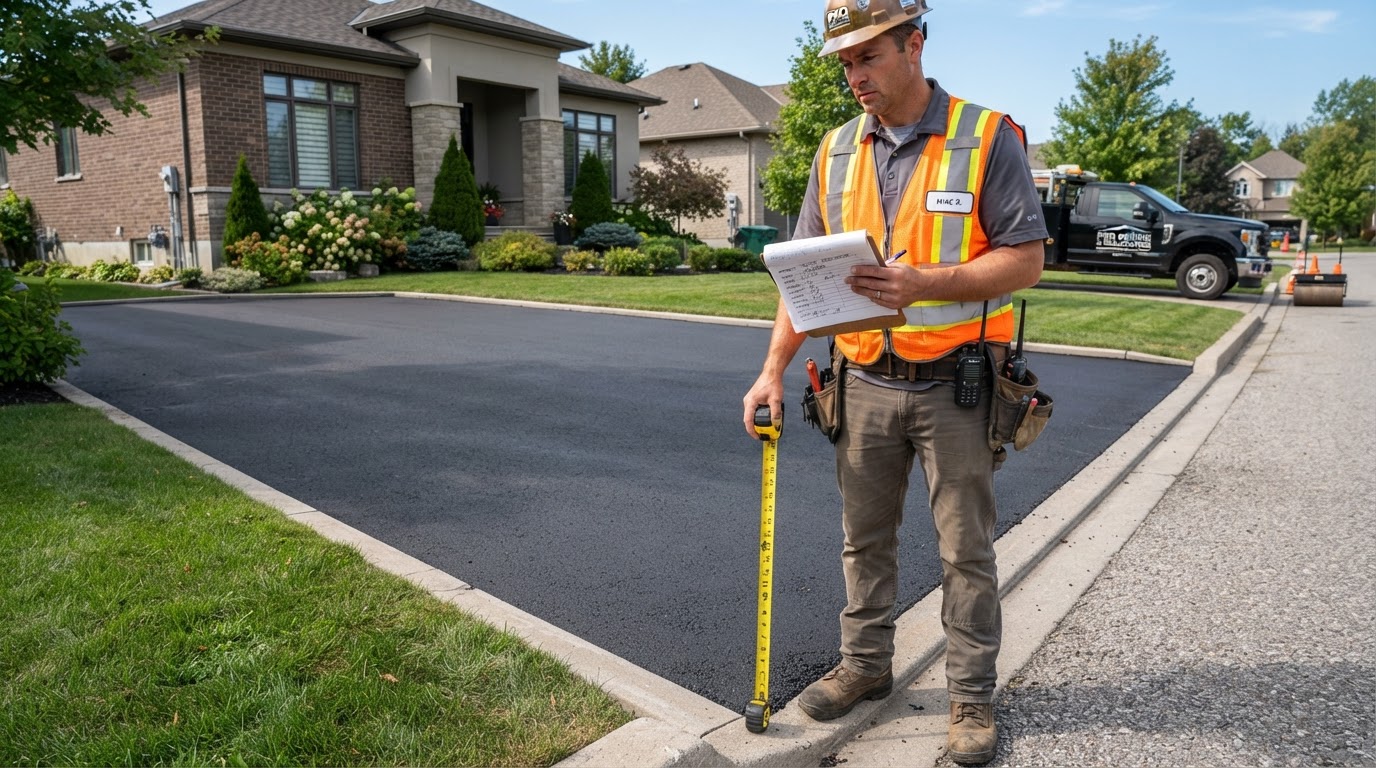
Verify insurance, equipment specs, asphalt mix temperature, and warranty coverage when selecting a local paving specialist.
Read Guide →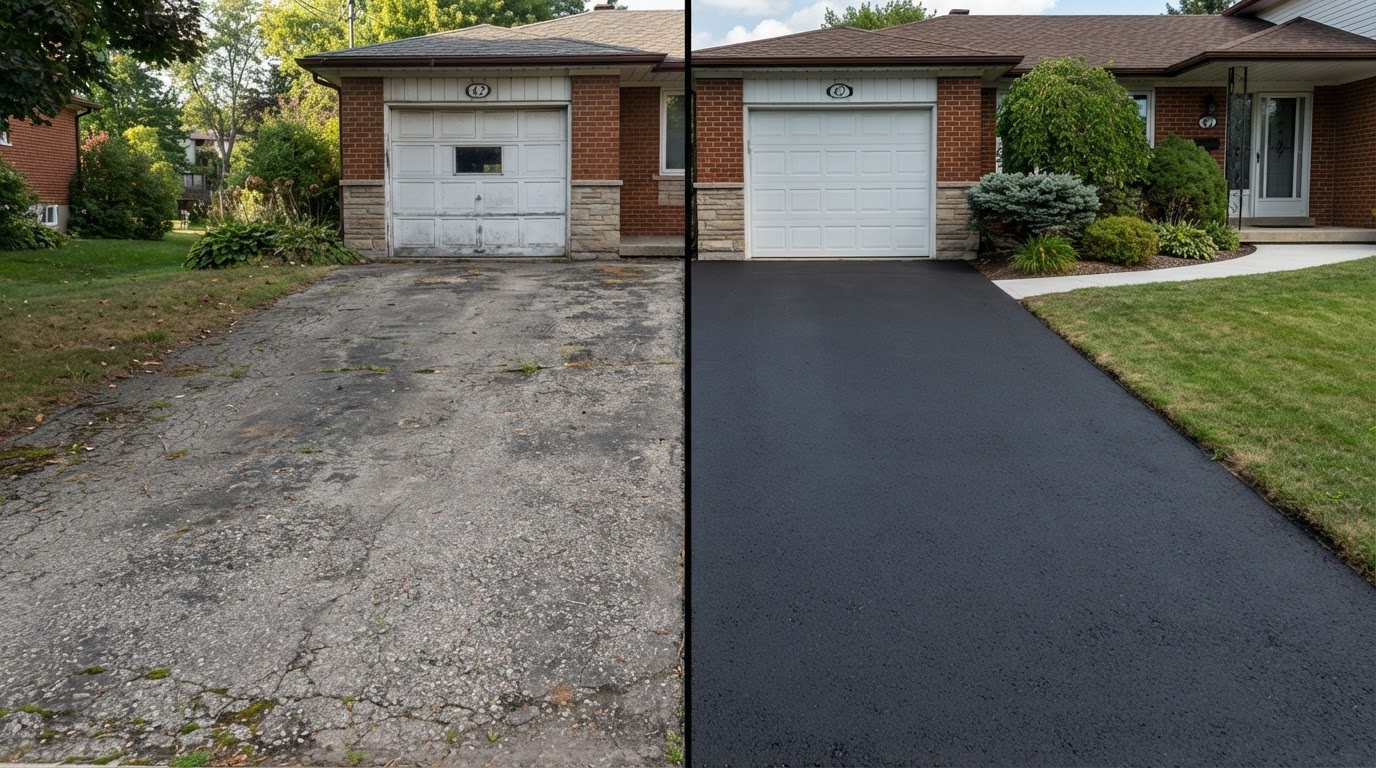
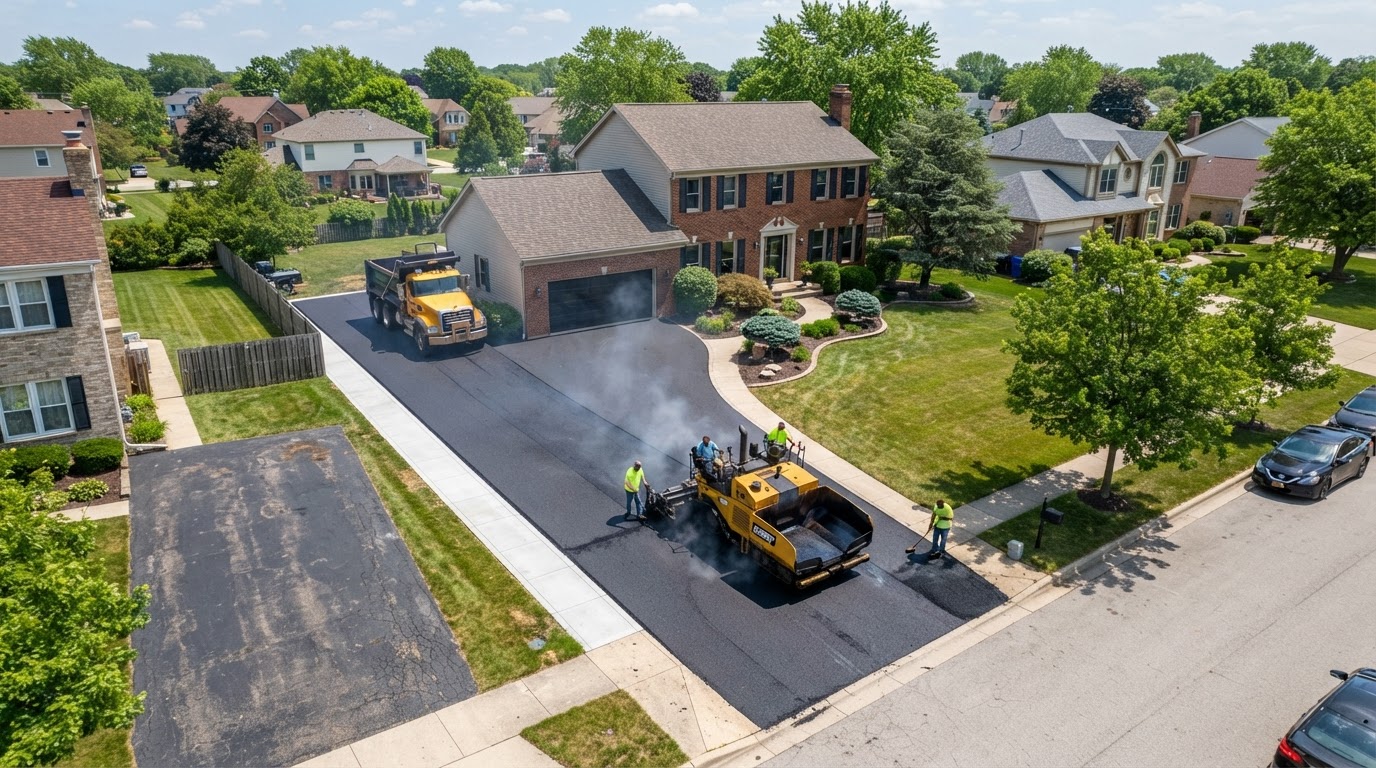
The visual and structural difference between a faded, oxidized driveway and a properly compacted hot-mix overlay.
Read Guide →Commercial & residential asphalt resurfacing, hot-mix overlays, and milling.
Browse Asphalt Resurfacing & Overlays