2026-07-29
10 Questions to Ask Before Hiring a Driveway Resurfacing Contractor
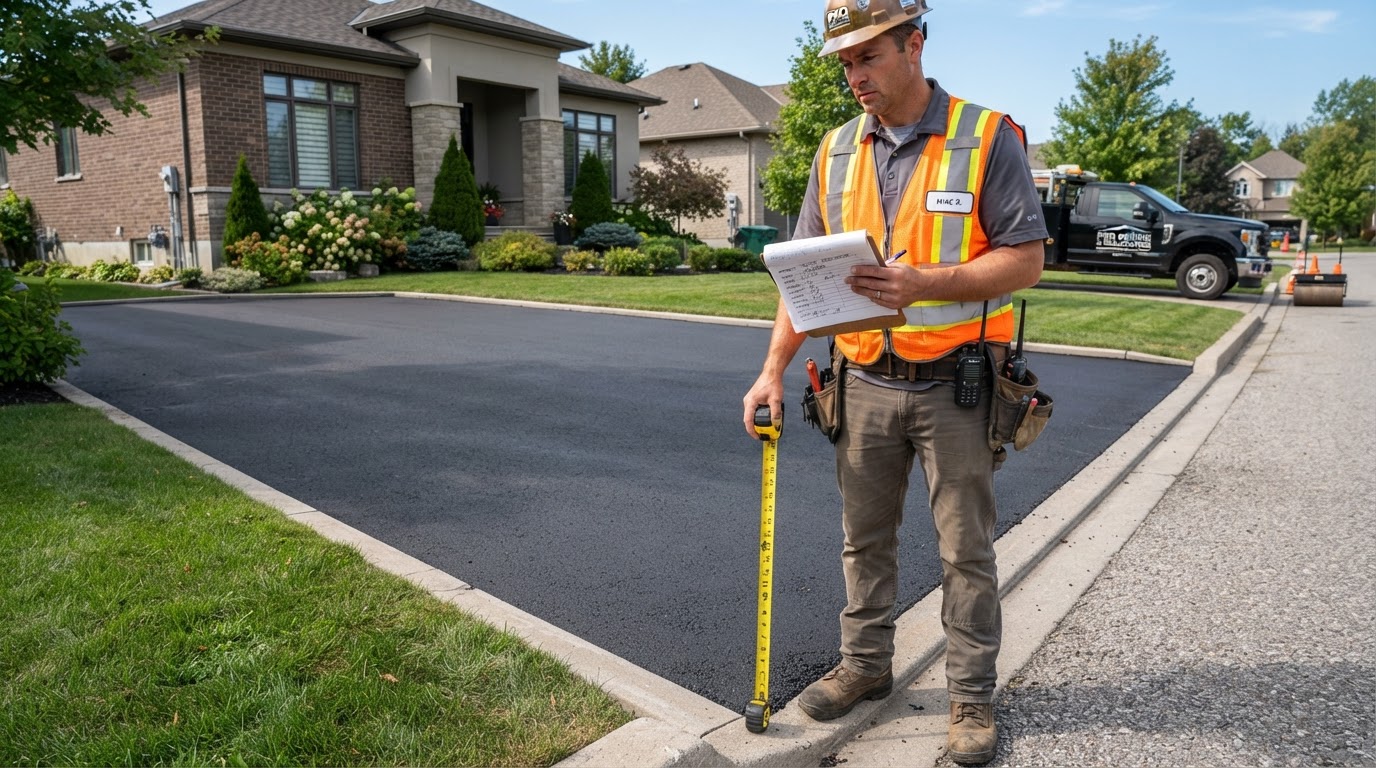
Verify insurance, equipment specs, asphalt mix temperature, and warranty coverage when selecting a local paving specialist.
Read Guide → Advertisement
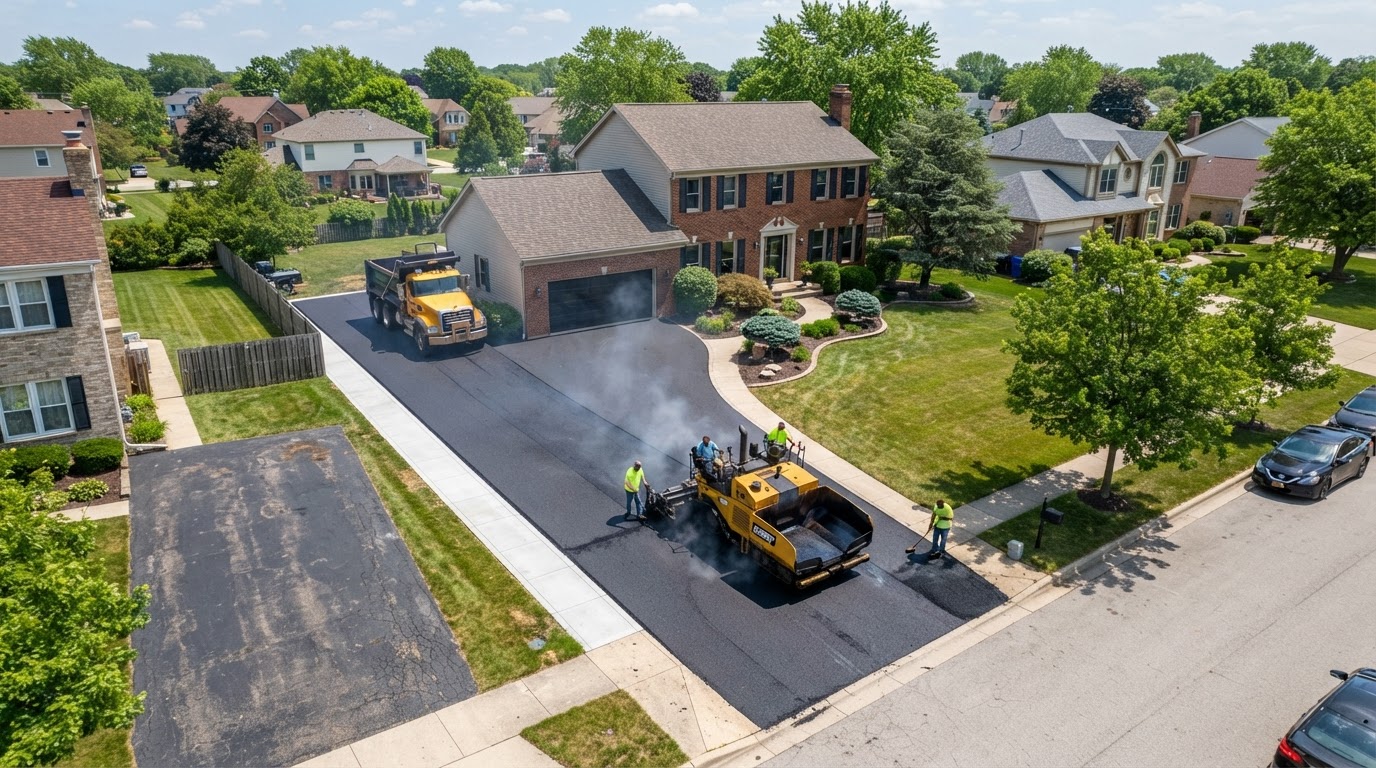
Compare asphalt overlays and concrete resurfacing against full tear-out replacement to determine the best return on investment for your driveway.
When your residential or commercial driveway begins showing signs of aging—such as surface cracking, minor depressions, or fading color—homeowners face a key financial decision: should you resurface or perform a complete tear-out replacement? The answer depends on the structural condition of the existing pavement, the age of the installation, the severity and pattern of the cracking, and the budget you have available. Understanding the difference between these two approaches is essential before requesting quotes from contractors, because the price gap and the expected service life differ dramatically.
Resurfacing—applying an asphalt overlay or a polymer-modified concrete micro-topping—typically saves 40% to 60% of the cost of a full reconstruction while extending the driveway lifespan by 10 to 15 years. An overlay bonds a fresh layer of hot-mix asphalt (usually 1.5 to 2 inches thick) directly over the existing surface after it has been milled and tack-coated. Concrete resurfacing uses a thin polymer-modified cementitious layer that fills pits, hairline cracks, and surface spalling, restoring both appearance and a wear-resistant top surface without disturbing the structural slab beneath.
Key criteria for resurfacing eligibility include a structurally stable sub-base, less than 30% deep alligator cracking, and minimal water pooling. If the sub-base has shifted, if the driveway has widespread alligator (fatigue) cracking that extends through the full depth of the pavement, or if large sections have heaved or settled unevenly, an overlay will only mask the problem temporarily. In those cases the reflective cracking—cracks that telegraph up through the new surface within a season or two—will return, and the money spent on resurfacing is largely wasted.
Full replacement involves excavating the entire driveway down to the subgrade, recompacting or replacing the aggregate base, and installing fresh asphalt or pouring new concrete. This is the more expensive option, but it resets the clock entirely. A properly installed asphalt driveway with a well-compacted base can last 20 to 25 years, and a concrete driveway can last 30 years or more. Replacement is also the right choice when the existing driveway is too narrow, poorly graded, or needs drainage corrections that cannot be solved with a surface treatment.
Cost is the deciding factor for most homeowners. A typical asphalt overlay on a standard two-car residential driveway (roughly 600 to 800 square feet) might range from $2 to $5 per square foot, while a full tear-out and repave can run $7 to $15 per square foot depending on region, base work, and accessibility. Concrete resurfacing with a decorative finish can fall between $4 and $10 per square foot, while a full concrete replacement often exceeds $10 per square foot. These figures vary by market, so always obtain at least three written quotes.
A common mistake is resurfacing a driveway that genuinely needs replacement because the upfront price looks attractive. If the base is failing, water is undermining the pavement, or the surface has widespread structural cracking, an overlay will fail prematurely. A reputable contractor will perform a core sample or at minimum walk the driveway and identify the failure pattern before recommending resurfacing. Be cautious of any contractor who quotes an overlay without inspecting the underlying condition or asking about drainage and base history.
Another consideration is curb appeal and resale value. A freshly resurfaced driveway looks nearly identical to a new one to the casual observer, and for homeowners preparing to sell, an overlay can deliver an excellent return on investment. Real estate agents consistently note that a clean, crack-free driveway improves first impressions and can support a higher listing price. However, a savvy buyer's inspector may flag an overlay over a failing base, so transparency about what was done matters during disclosure.
Maintenance after resurfacing is critical to realizing the full lifespan. A new asphalt overlay should be allowed to cure for several months before the first sealcoat is applied, and then sealcoated every two to three years. Concrete resurfacing should be sealed with a compatible penetrating or film-forming sealer to protect against de-icing salts and oil stains. Avoid parking heavy vehicles or using sharp jack stands on a fresh overlay for the first week, and keep petroleum products off the surface, as they dissolve asphalt binder.
Ultimately, the resurface-versus-replace decision is an investment calculation. If the existing pavement is structurally sound and the damage is cosmetic or surface-level, resurfacing delivers excellent value. If the base is compromised or the cracking is structural, replacement is the only durable fix. Have a qualified contractor assess the condition honestly, compare the per-square-foot cost against the expected additional years of service, and choose the option that matches both your budget and how long you plan to own the property.
Looking for a qualified contractor? Browse our directory of driveway resurfacing professionals specializing in asphalt resurfacing & overlays. Compare services, request quotes, and find the right specialist for your project.
AdvertisementVerify insurance, equipment specs, asphalt mix temperature, and warranty coverage when selecting a local paving specialist.
Read Guide →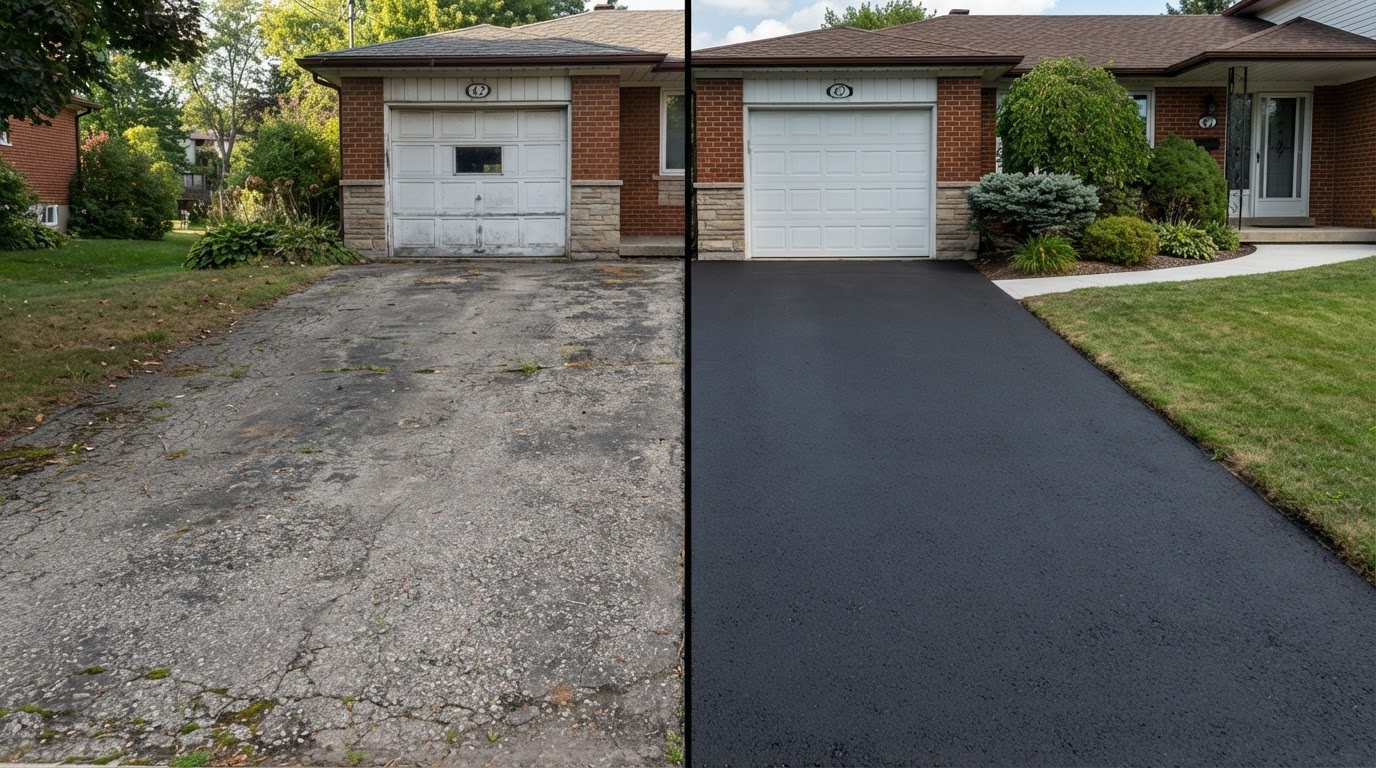
The visual and structural difference between a faded, oxidized driveway and a properly compacted hot-mix overlay.
Read Guide →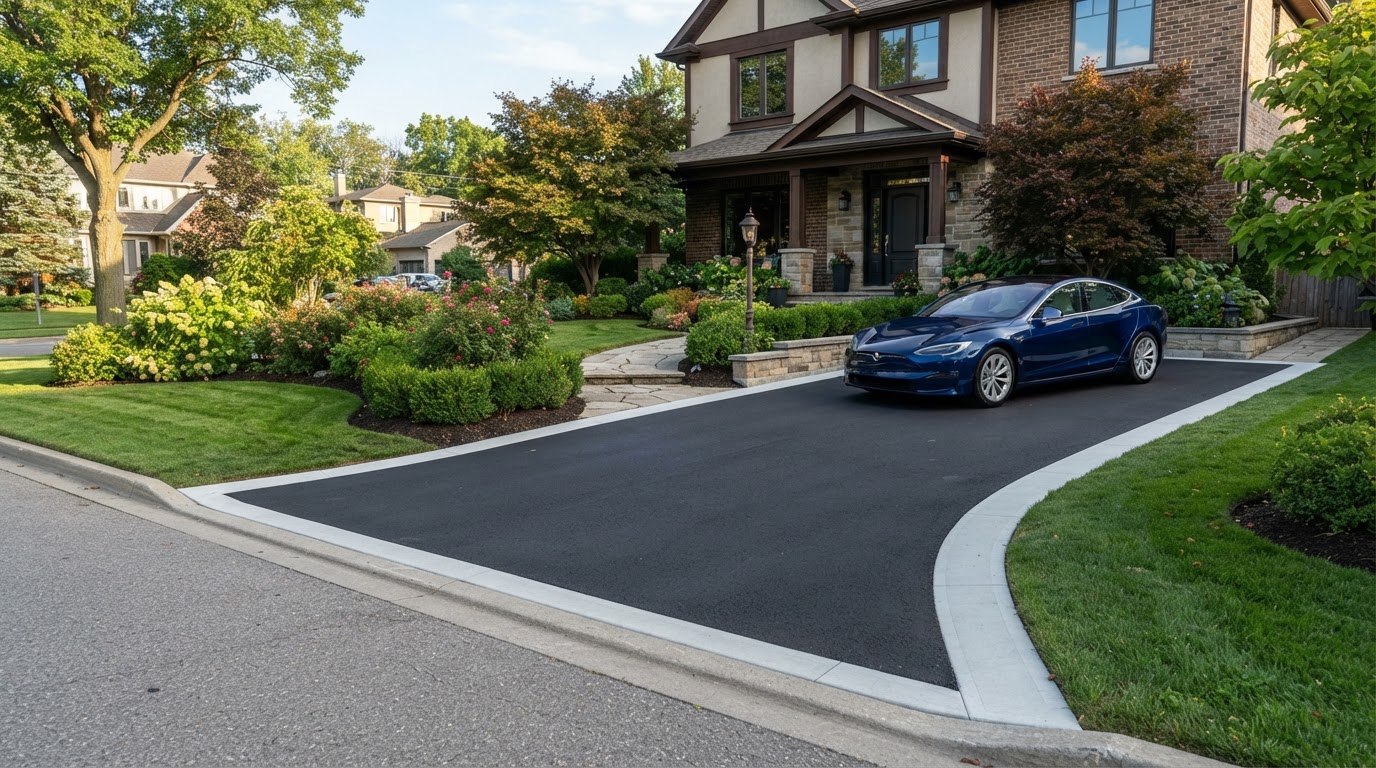
Why real estate investors and homeowners see measurable returns from resurfacing before listing a property.
Read Guide →Commercial & residential asphalt resurfacing, hot-mix overlays, and milling.
Browse Asphalt Resurfacing & Overlays