
2026-07-21
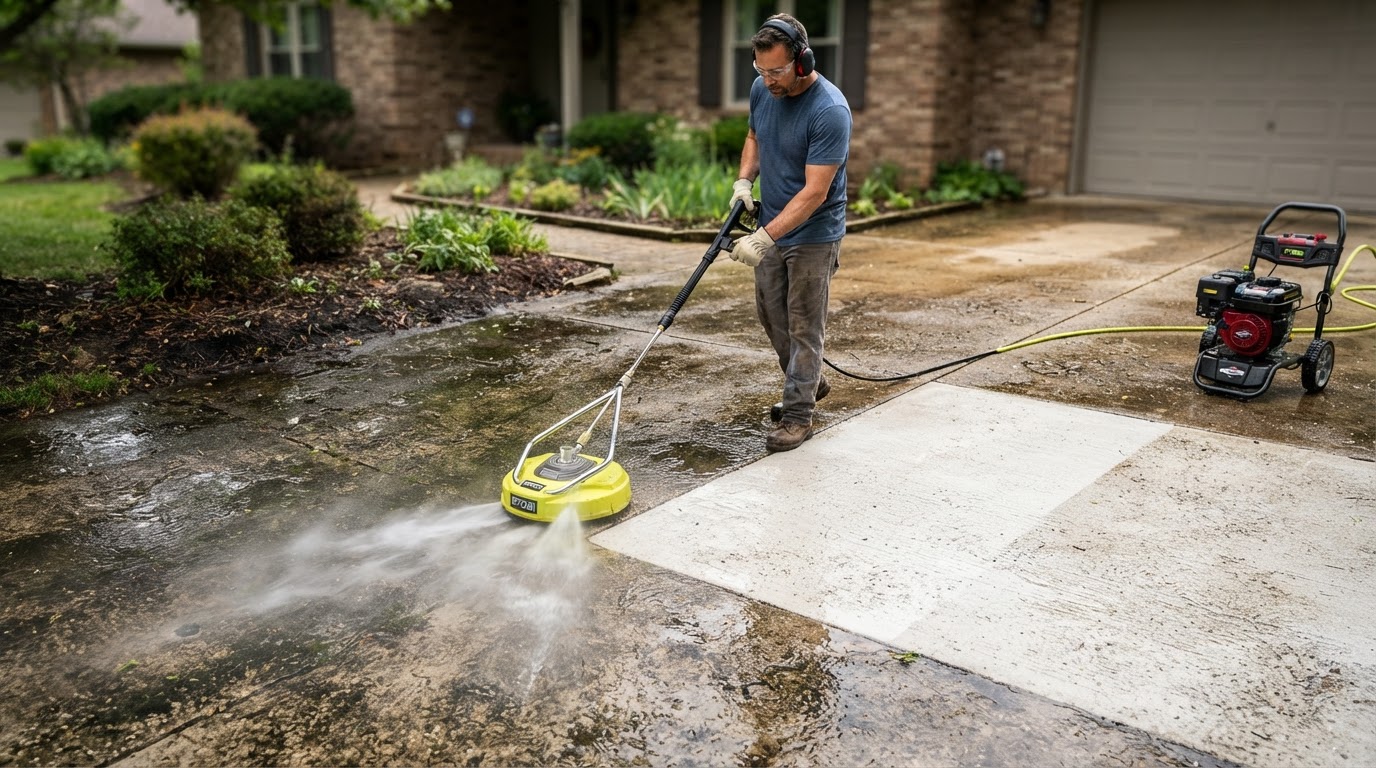
Why Pressure Washing Is the Critical First Step Before Any Driveway Resurfacing
How proper surface cleaning removes contaminants so overlays, sealcoats, and coatings bond correctly and last longer.
Read Guide → Advertisement
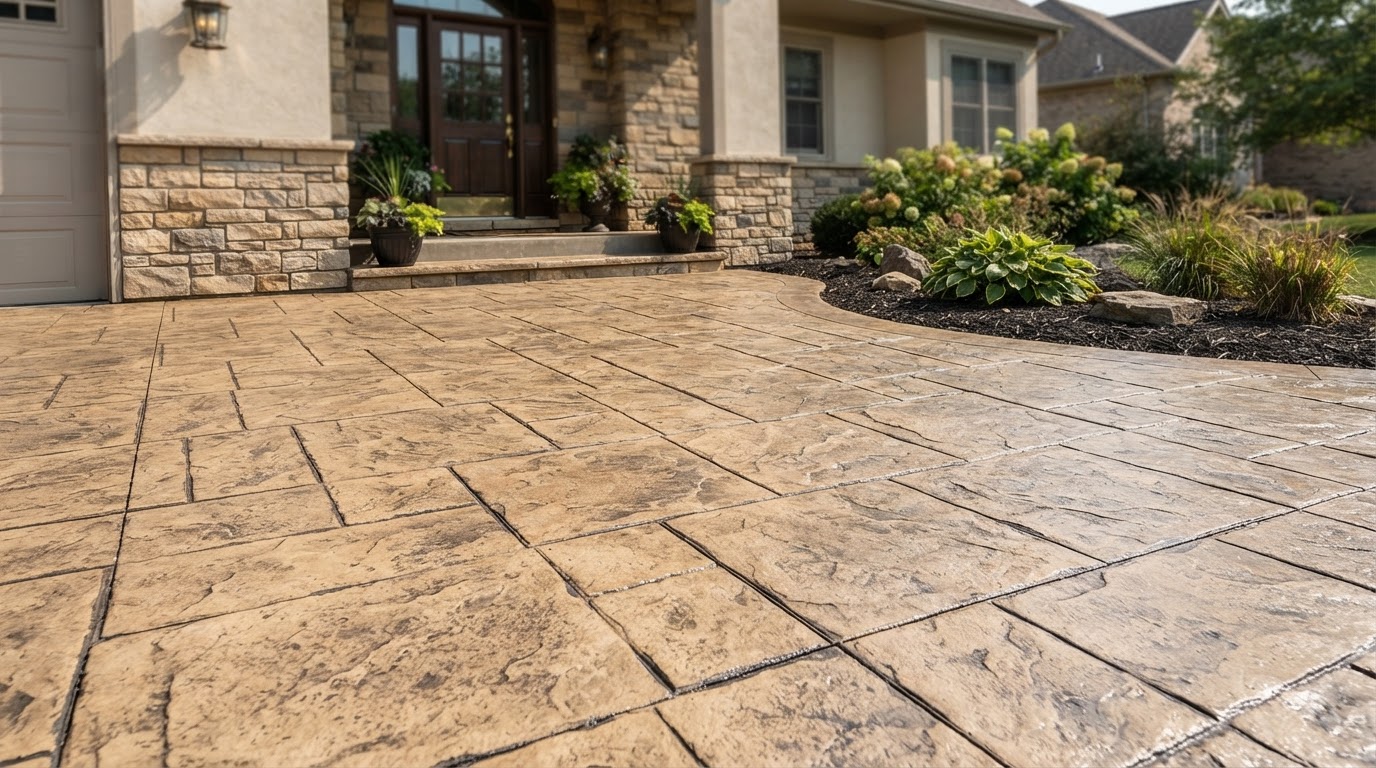
Explore how polymer concrete coatings transform spalled, cracked, or stained concrete driveways into high-end decorative surfaces.
Polymer-modified concrete overlays use advanced bonding agents—typically acrylic, vinyl, or epoxy resins blended into a cementitious mix—that allow contractors to apply a durable thin-set layer over existing concrete slabs. This layer can be as thin as a quarter inch, yet it bonds tenaciously to a properly prepared surface, filling pits and surface cracks while creating a fresh canvas for decorative finishes. Unlike a standard concrete pour, an overlay does not require removing the existing slab, which dramatically reduces cost, disruption, and waste.
The polymer component is what sets these overlays apart from ordinary sand-and-cement toppings. Polymers improve flexural strength, reduce shrinkage cracking, increase adhesion, and make the cured surface more resistant to freeze-thaw damage and de-icing salts. This means an overlay can flex slightly with the natural movement of the underlying slab without delaminating, a critical property in regions with wide temperature swings. The result is a surface that performs far better than a plain cement skim coat, which often cracks and flakes within a few seasons.
From ashlar slate stamped patterns to broom-finished slip-resistant surfaces, decorative micro-toppings offer incredible aesthetic customization. Stamped overlays use polyurethane mats pressed into the partially set overlay to imprint realistic stone, brick, or tile textures. The surface can then be colored with dry-shake color hardeners, acid stains, or water-based dyes, and sealed with a high-solids acrylic or polyurethane sealer that enhances color depth and protects against UV fading and chemical attack.
Surface preparation is the single most important factor in overlay longevity. The existing concrete must be thoroughly cleaned—typically by pressure washing at 3,000 PSI or higher—and any existing sealer, paint, or curing compound must be mechanically removed by grinding or shot-blasting. Oil stains need to be treated with a degreaser and etched so the overlay can bond to clean concrete, not a contaminated film. Contractors often perform a water-drop test: if water beads up, the surface is not ready. Any cracks wider than a hairline should be routed and filled with a flexible polyurea or polyurethane sealant before the overlay is applied.
Stamped overlays can replicate the look of natural flagstone, cobblestone, brick, or even wood planks at a fraction of the cost of the real materials. The process involves applying a base coat of the polymer overlay, broadcasting a color hardener, pressing the stamp mats while the material is still workable, and then saw-cutting expansion joints to control where the surface cracks as it cures. A secondary accent color, applied as an antiquing release, settles into the stamped recesses and gives the finish a natural, multi-tonal appearance.
Stained overlays offer a different aesthetic path. Acid (reactive) stains chemically react with the calcium hydroxide in the concrete to produce variegated, earth-toned colors that penetrate the surface and will not peel or fade. Water-based stains and dyes offer a broader color palette, including vibrant blues and greens, but sit closer to the surface and rely on the sealer for protection. Stained overlays are often scored with decorative saw cuts to create tile-like patterns, and the entire surface is sealed to lock in the color.
Textured and troweled finishes prioritize function over decoration. A broom-finished overlay provides a slip-resistant surface ideal for sloped driveways or regions with ice and snow. A smooth trowel finish delivers a modern, sleek appearance suited to contemporary architecture but can be slippery when wet unless an anti-slip additive is mixed into the sealer. Contractors can also create exposed-aggregate overlays by broadcasting decorative stone into the surface and exposing it after the paste sets, recreating the classic pebble finish over a sound base.
Curing and sealing determine the final performance. Polymer overlays should cure slowly—often covered with plastic or misted with water—to achieve full strength, and they must be kept free of traffic for at least 24 to 72 hours depending on the product and weather. A high-quality sealer applied after curing protects against abrasion, stains, and UV degradation and should be reapplied every two to three years. With proper installation and maintenance, a polymer-modified overlay can last 10 to 15 years and transform a tired, stained driveway into a striking architectural feature.
Looking for a qualified contractor? Browse our directory of driveway resurfacing professionals specializing in concrete resurfacing & decorative stamping. Compare services, request quotes, and find the right specialist for your project.
AdvertisementHow proper surface cleaning removes contaminants so overlays, sealcoats, and coatings bond correctly and last longer.
Read Guide →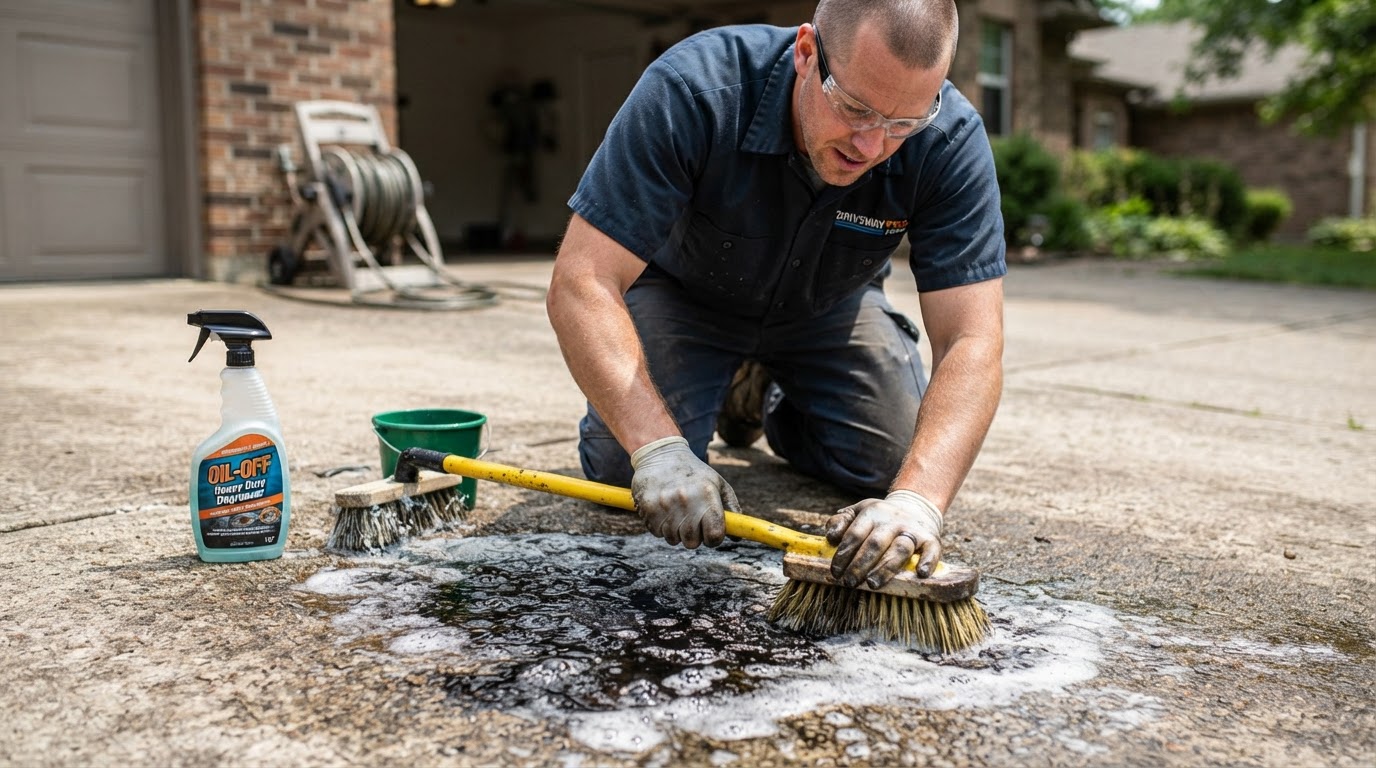
Safe degreasers, poultice methods, and why acid washing does more harm than good on residential concrete.
Read Guide →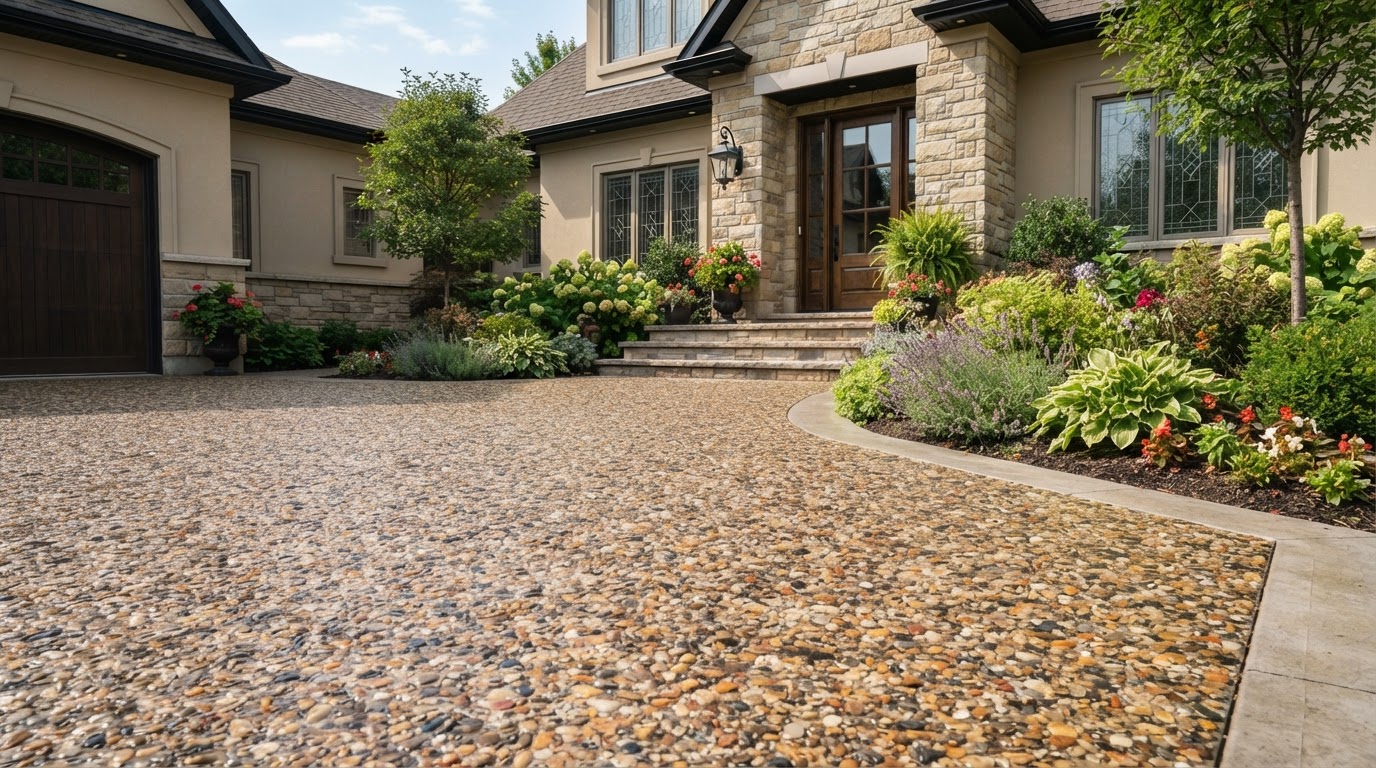
When resealing, re-exposing, or overlaying is the right choice for aging pebble-finish concrete driveways.
Read Guide →Polymer-modified concrete overlays, decorative stamping, and textured finishes.
Browse Concrete Resurfacing & Decorative Stamping